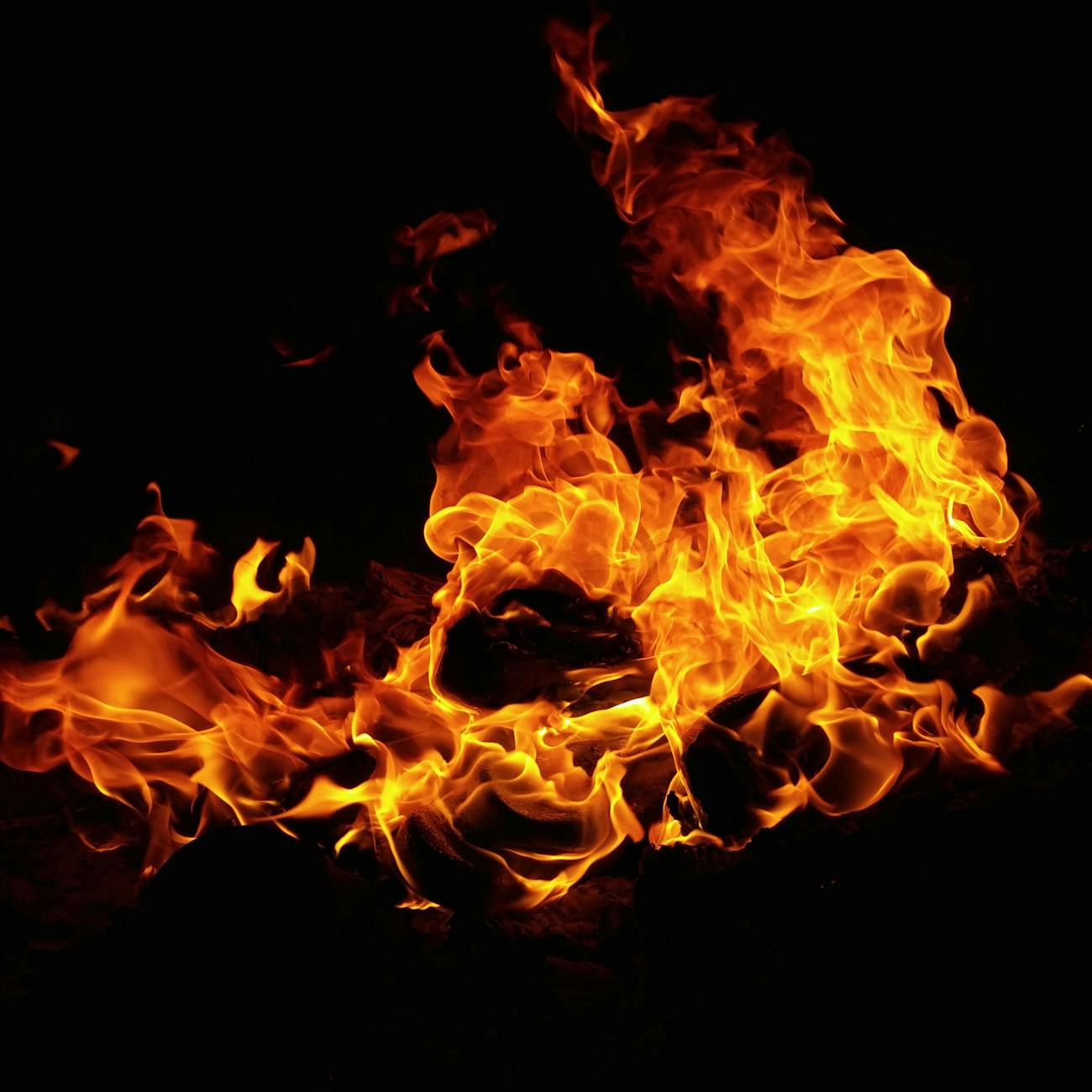
Los Angeles is burning. The wildfires that erupted across Southern California in January 2025 have left a trail of destruction, claiming lives, reducing homes to ash, and forever altering the cityscape. From the Pacific Palisades to the Hollywood Hills, these infernos are among the most destructive in LA’s history, with 2,000 structures destroyed and over 180,000 residents evacuated.

While the flames rage on, questions about preparedness, infrastructure, and climate resilience are mounting. The fires have exposed vulnerabilities in even the wealthiest neighborhoods, proving that no one is immune to nature’s wrath.
The Scope of the Wildfires
As of January 9, 2025, several major fires continue to burn:
- Palisades Fire: This blaze has scorched over 17,000 acres, destroying neighborhoods, businesses, and landmarks along the Pacific Coast Highway.
- Eaton Fire: With 100,000 residents evacuated, this fire has flattened large parts of Altadena and claimed at least five lives.
- Sunset Fire: Centered in the Hollywood Hills, this fire forced rapid evacuations and burned over 60 acres before containment efforts stabilized it.
The devastating combination of Santa Ana winds, dry conditions, and outdated infrastructure has created the perfect storm, leaving firefighters struggling to gain control.
Lives and Landmarks Lost
The fires have not discriminated, claiming both humble homes and iconic landmarks:
- Celebrity Residences Destroyed
- The Pacific Palisades homes of Paris Hilton, Billy Crystal, and Dianne Warren have been reduced to rubble.
- Adam Brody and Leighton Meester fled their $6.5 million home before it was consumed by flames.
- Even the Rivers family home, once owned by Joan Rivers, did not escape the inferno.
- Cultural and Historical Losses
- The Getty Villa, renowned for its Greek and Roman antiquities, narrowly avoided destruction but suffered significant vegetation damage.
- Palisades Charter High School, a setting for Hollywood classics like Teen Wolf and Carrie, was heavily damaged.
- The Altadena Golf Course clubhouse, a century-old landmark, is gone.
These losses have deeply impacted the community, with residents mourning not just material possessions but the memories tied to these places.
A City Unprepared
The fires have highlighted alarming gaps in Los Angeles’ ability to respond to natural disasters:
- Water Shortages: Firefighters reported a lack of water pressure in key areas, hampering efforts to control the flames.
- Infrastructure Strain: Aging water systems and outdated evacuation routes left residents vulnerable.
- Climate Change: Rising temperatures and prolonged droughts have made Southern California a tinderbox, with wildfires becoming an almost year-round threat.
At a press conference, LA Fire Chief Kristin Crowley called the Palisades Fire “one of the most destructive natural disasters in LA history.”
Human Toll and Environmental Impact
The fires have displaced hundreds of thousands of people, many of whom are now living in temporary shelters. Meanwhile, the environmental fallout is severe:
- Smoke Pollution: Thick smoke blankets the region, causing hazardous air quality and respiratory risks.
- Wildlife Displacement: Animals are fleeing their habitats, putting pressure on local ecosystems.
“Entire neighborhoods look like they’ve been bombed,” said LA County Sheriff Robert Luna, underscoring the unprecedented scale of the destruction.
The Path to Recovery
Rebuilding after such devastation will be a monumental task. Here’s what’s needed:
- Federal and State Aid: President Joe Biden has approved emergency funding, but more resources will be required to assist displaced residents.
- Updated Infrastructure: Investments in water systems and fire-resistant building materials are urgently needed.
- Community Support: Local organizations are rallying to provide food, shelter, and emotional support for those affected.
Actor Jamie Lee Curtis, who lost her home in the Pacific Palisades, urged Angelenos to “come together and help rebuild, one step at a time.”
The 2025 Los Angeles fires are a stark reminder of the growing threat posed by wildfires in a changing climate. They have devastated communities, destroyed cultural landmarks, and laid bare the city’s vulnerabilities.
As the flames die down, the focus will shift to rebuilding—but also to rethinking how LA can adapt to this new normal. For now, the city grieves, united by loss but determined to rise again.
Enjoy the read? Get social updates on Facebook here