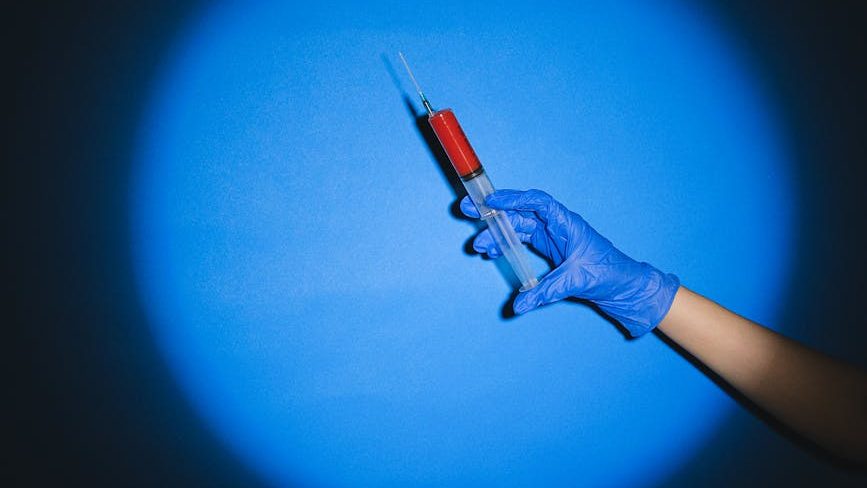
The Fake Ozempic Crisis in South Africa
In South Africa, a worrying trend is emerging as counterfeit Ozempic drugs infiltrate the market, endangering the lives of people seeking a quick solution to weight loss. Ozempic, an injectable medication initially used to treat Type 2 diabetes, has surged in popularity as a weight-loss tool, leading to a booming black market for the drug. Unfortunately, this rush for slim figures has resulted in the circulation of fake versions of the drug, creating a public health crisis that could have devastating consequences.

The Appeal of Ozempic
Ozempic, known by its generic name semaglutide, is a medication designed to regulate blood sugar levels and improve insulin sensitivity in people with Type 2 diabetes. However, a secondary effect of the drug is significant weight loss. As a result, it quickly gained attention in global markets, including South Africa, where obesity rates are rising at an alarming rate. According to the South African Medical Research Council, nearly 70% of South African women and over 30% of men are classified as overweight or obese.
In this environment, it’s no surprise that many people with no diabetes have turned to Ozempic to shed excess weight. The drug has become a coveted item for those seeking a shortcut to a slimmer body. However, this desperation has created an opportunity for unscrupulous individuals to capitalize on the demand for the drug by flooding the market with counterfeit versions.

Counterfeit Ozempic: A Growing Threat
The Medicines Control Council (MCC) of South Africa has issued urgent warnings about the growing presence of fake Ozempic-like products on the market. These counterfeit drugs, often sold through unregulated channels such as online platforms or underground suppliers, pose serious health risks to unsuspecting consumers. The South African Health Products Regulatory Authority (SAHPRA) has been working tirelessly to alert the public about the dangers of these fake drugs, which may not only be ineffective but can also be harmful.
Fake Ozempic is particularly dangerous because it is often produced without the necessary medical standards, leaving users exposed to potentially toxic substances. In many cases, the counterfeit versions of the drug contain other unapproved chemicals or incorrect dosages that could cause adverse reactions. Health professionals warn that taking these fake products can lead to serious complications, including gastrointestinal distress, heart problems, and even severe allergic reactions.
Dr. Jeanette M. Williams, a South African healthcare expert, emphasized the risk of using unregulated drugs, stating, “We cannot stress enough that fake or counterfeit Ozempic products are not only illegal, but they are also incredibly dangerous. Individuals who resort to purchasing these products off the black market are putting their health at risk.”
The Black Market and Its Impact
The black market for Ozempic has become increasingly sophisticated, with counterfeit drugs often packaged in professional-looking boxes, making it difficult for the average consumer to tell the difference between genuine and fake products. The internet has played a significant role in the spread of these illegal drugs, with many people purchasing Ozempic from unverified online sellers. These online platforms often make exaggerated claims about the effectiveness of the drug, further fueling its demand.
Experts also note that some South Africans are turning to social media influencers or unregulated weight-loss clinics, where the dangers of counterfeit drugs are downplayed or ignored entirely. This has made it all the more difficult for the public to separate fact from fiction when it comes to weight-loss solutions like Ozempic.
The Consequences of Fake Drugs
The consequences of this counterfeit drug crisis extend beyond just the immediate health risks. South Africa’s healthcare system, already under pressure, faces additional strain as individuals who fall ill due to counterfeit medications seek treatment. Furthermore, patients who use fake Ozempic may be misled into thinking that they are achieving their weight-loss goals when, in reality, they are only harming their bodies.
Medical professionals are now calling for stricter regulations and enforcement to curb the illegal sale of Ozempic and other weight-loss drugs. Dr. Margaret T. Jacobs, a public health advocate, said, “We need to address the root cause of this issue by regulating the weight-loss market more effectively and educating the public about the dangers of buying unapproved medications.”
What Can Be Done?
To combat the spread of counterfeit Ozempic, South Africans must become more vigilant about where they purchase their medications. Only buy Ozempic from licensed pharmacies and consult a healthcare provider before starting any weight-loss treatment. The South African government, together with medical regulators, must also increase efforts to disrupt the black market and enforce stricter penalties for those caught selling counterfeit drugs.
Consumers can protect themselves by being aware of warning signs, such as unusually low prices or products that are not properly labeled with batch numbers or expiration dates. If in doubt, seek guidance from a healthcare professional or a licensed pharmacist.
The surge in demand for Ozempic has created a dangerous black market for counterfeit drugs, putting many South Africans at risk of serious health complications. As the trend continues to grow, it is crucial that both the government and healthcare professionals take steps to combat this issue. Public education and stronger enforcement of regulations are key to ensuring that individuals who seek weight-loss solutions do so in a safe and effective manner.
Enjoy the read? Get social updates on Facebook here